


The logistics world has evolved — and so has warehousing. Warehousing is as much about Speed, Sustainability, and Scalability as much about storing goods. The three S’s shaping the new supply chain triangle of success.
Businesses now move goods smarter, faster, and greener, transforming warehouses into dynamic hubs of efficiency and innovation. And behind this transformation lies one key strategy — smart investment in warehouses and the right industrial parks.
Let’s explore how these three forces are reshaping the future of logistics.
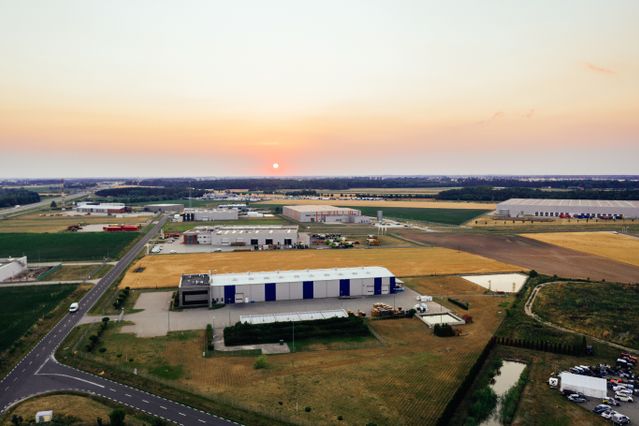
1. Speed: The Pulse of the Modern Supply Chain
In the digital era, time equals money. Consumers expect next-day or even same-day delivery. This pressure on the supply chain demands lightning-fast movement and flawless coordination.
Modern warehouses are built for speed — equipped with automation, AI-based inventory tracking, and smart routing systems. They’re no longer passive storage units but dynamic fulfilment hubs.
Strategically located industrial parks play a vital role here. They reduce transit time between factories, distributors, and customers. For businesses, this means faster delivery, lower costs, and happier clients.
That’s why many forward-thinking companies now invest in a business park that offers seamless connectivity, advanced infrastructure, and 24×7 logistics support. Investing in Magna Star is not just about spending on land. It’s a long-term investment in warehouses, in your own business that fuels agility and growth.
2. Sustainability: The Ethical Engine
Sustainability has become the moral and operational backbone of the modern supply chain.
Green warehousing, with ethical green practices, is now a global standard. Businesses are cutting carbon footprints not just to comply with regulations but to build trust and brand value.
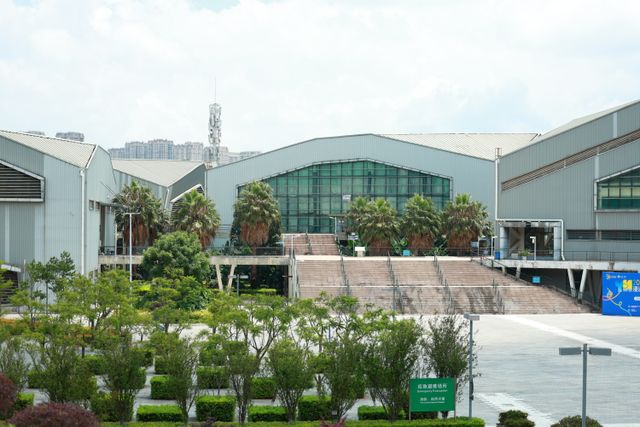
When companies invest in land inside eco-conscious industrial parks, they align profitability with responsibility. Developments in industrial plots in West Bengal are embracing green design from natural lighting to energy-efficient materials. Like Magna Star Industrial Parks has planted multiple trees and plants within the premises and has a proposed plan for ETP and rainwater drainage system.
The result?
Lower operational costs, higher environmental impact scores, and a future-ready business model. Sustainability is an asset that pays back in resilience and reputation.
3. Scalability: The Growth Multiplier
It goes without saying that Growth is the goal of every business. But scaling operations is the challenge. Scalability ensures your supply chain expands without breaking efficiency or budget.
Modern warehouses offer flexible layouts, modular racking systems, and advanced management software to handle fluctuating demand. Whether a startup or a large manufacturer, scalable infrastructure keeps businesses adaptable.
This is where investment in warehouses inside well-planned industrial parks becomes critical. You don’t just buy a warehouse; you buy a foundation for expansion.
Industrial plots in West Bengal on National Highway 2 are emerging as prime locations for scalable logistics setups. They offer land flexibility, government incentives, and strong connectivity. When you invest in a business park like Magna Star, you future-proof your supply chain for expansion and diversification.
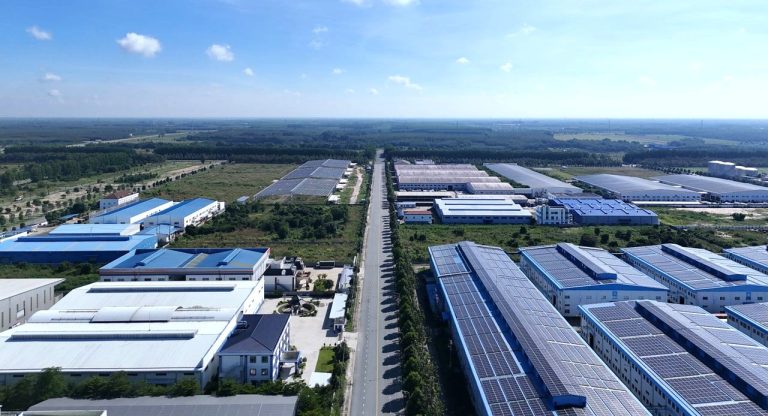
Industrial Parks: The Silent Backbone of the 3S Model
Industrial parks are integrated ecosystems that support manufacturing, warehousing, logistics, and workforce needs in one connected environment.
They form the physical and operational base that enables speed, ensures sustainability, and supports scalability — all at once. Investing here means staying ahead of the curve.
So, when businesses invest in land, the location becomes their strategic edge. Investment in warehouses in such prime hubs means synergy, connectivity, and community.
Conclusion: Building the Future of Logistics
The 3S’s — Speed, Sustainability, and Scalability — are the new pillars of competitive advantage in the supply chain industry. The smartest move is to invest in industrial plots in West Bengal where modern infrastructure meets future-ready thinking.
Because the next era of logistics belongs to those who don’t just move goods; they move forward.