


Investing in residential plots looks simple from the outside. You see an empty stretch of earth and imagine the possibilities. A future home. A future community. A valuable asset. But the reality is different. The path to wise land investment demands sharper decision-making. Many first-time buyers rush in, ignore critical checks, and pay for it later. If you plan to invest in land, knowing what to avoid can save you money, stress, and delays.
1. Ignoring Proper Legal Checks
Buyers often trust surface-level documents and proceed. But smart investors verify ownership records, validate land classification, and review past transactions. Go through local regulations. Engage a professional if needed. When you invest in land, legality is the first foundation stone.
2. Not Understanding Land Classification

Every state has its own land categories. Many new investors fail to understand the difference between agricultural, residential, and restricted-use land. The wrong classification can block your construction plans. That’s why Amtala City is a secured plotted development project.
Anyhow, always ensure the land is officially permitted for residential use before finalizing any investment.
3. Overlooking the Importance of Location
Location drives appreciation. Many investors chase cheap prices without studying surroundings. A plot may look attractive today but may not offer long-term value. Invest in land in areas with upcoming infrastructure, strong connectivity, and planned development. Look for green spaces, community amenities, and public services. These factors improve the livability of residential plots and increase future resale value.
4. Forgetting to Check Access Roads
A great plot becomes a risky investment if it lacks legal access. Many rural plots have temporary paths that disappear under dispute. Ensure the land has a registered right of way. Here, Amtala City is a safe choice. This plotted development provides written details and offer all necessary paperwork assistance. Without proper access, constructing your dream home becomes expensive and frustrating.

5. Skipping Soil Assessment
The nature of the land matters. Some plots suffer from waterlogging. Others have soft soil that demands costly foundation work. Early-investors often realize this only after starting construction.
Hence, before you invest in land, evaluate soil strength, drainage, and terrain slope. It will help you plan realistic construction timelines and budgets.
6. Trusting Only Verbal Assurances
Sellers and brokers often promise quick approvals, upcoming roads, or future township plans. But verbal promises hold no weight. Always demand written documentation. Strong investing decisions depend on verified data, not assumptions. In land investment, transparency protects your money.
7. Not Reviewing Future Development Plans
Wise investors study government masterplans, infrastructure announcements, and planned economic zones. These determine long-term appreciation of housing plots and residential assets.
For example, Amtala City is in South 24 Parganas near Joka. This make commute to Kolkata easier because of the Joka-Majerhat metro link. The added advantage is that the metro route is yet to extend in coming months.
So, when one decides to invest in land must review what the next 5–10 years look like for that locality.
8. Ignoring Environmental Factors
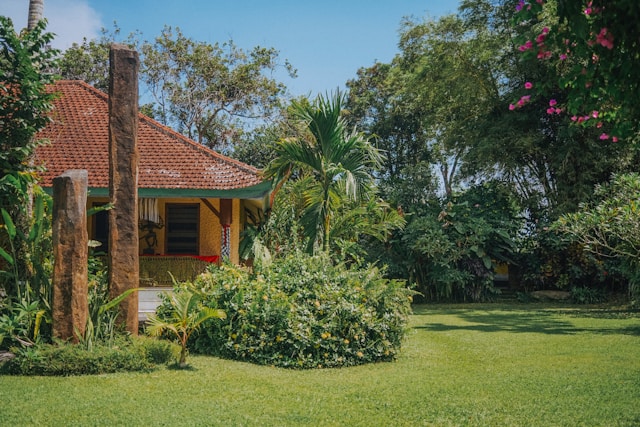
A beautiful plot can still turn into a poor investment if it overlooks environmental safety. Prioritise green spaces, natural buffers, and land that genuinely supports healthy living. With rising pollution levels, choosing a location surrounded by trees and clean air is the least we can do for our well-being.
Areas with abundant greenery and peaceful surroundings—away from noise and dust—naturally become more desirable. These factors not only uplift everyday life but also increase the long-term value of the land. Gated development like Amtala City make it the perfect foundation for building your dream home.
9. Not Calculating Hidden Costs
Many buyers only focus on the selling price. But land investment includes multiple extra costs—stamp duty, registration, fencing, land conversion, and initial development expenses. Before you invest in land, evaluate the full financial picture. This helps you estimate realistic investment returns.
Invest in Land Without Rushed Decisions
Understand regulations. Study the land. Research the market. Choose areas with planned development, natural green spaces, and strong community potential. Prioritize legally clear housing plots that offer long-term value and future-ready infrastructure.
A little caution today ensures a more secure investment tomorrow. And more importantly, it brings you one step closer to your perfect dream home—built on solid ground and smarter choices.